

Mana‘o on KS Trustee Finalists 2025
Trustee selection at Kamehameha Schools carries long-term implications for education, ʻāina stewardship, and the well-being of our lāhui. These decisions shape not only institutional governance, but the conditions in which future generations of learners, families, and communities will thrive.
Kuleana to Engage
Following the announcement of trustee finalists, Kanaeokana participants were surveyed to determine whether and how the network should engage in the public comment process. Participants overwhelmingly expressed that Kanaeokana should facilitate a collective opportunity to submit manaʻo on the trustee finalists on behalf of the network.
Our educators, cultural practitioners, and organizational leaders who are actively engaged in Hawaiian education and lāhui work shared that, given the multigenerational kuleana held by Ke Kula ‘o Kamehameha trustees, it was important for perspectives rooted in practice, community, and ʻŌiwi leadership to be gathered and conveyed in a coordinated and thoughtful way.
Designing a Process Rooted in Kuleana
Guided by participant direction and constrained by a compressed public comment timeline, a structured process to gather and synthesize feedback on the trustee finalists was designed and implemented.
The public posting of finalists and subsequent notification of the Trustee Screening Committee’s selections resulted in a public comment window of less than one month. Within this timeframe, Kanaeokana opened a member comment process from December 4 through December 20, allowing time for participation, synthesis, and submission ahead of the Court’s deadline.
To support informed and meaningful manaʻo, we:
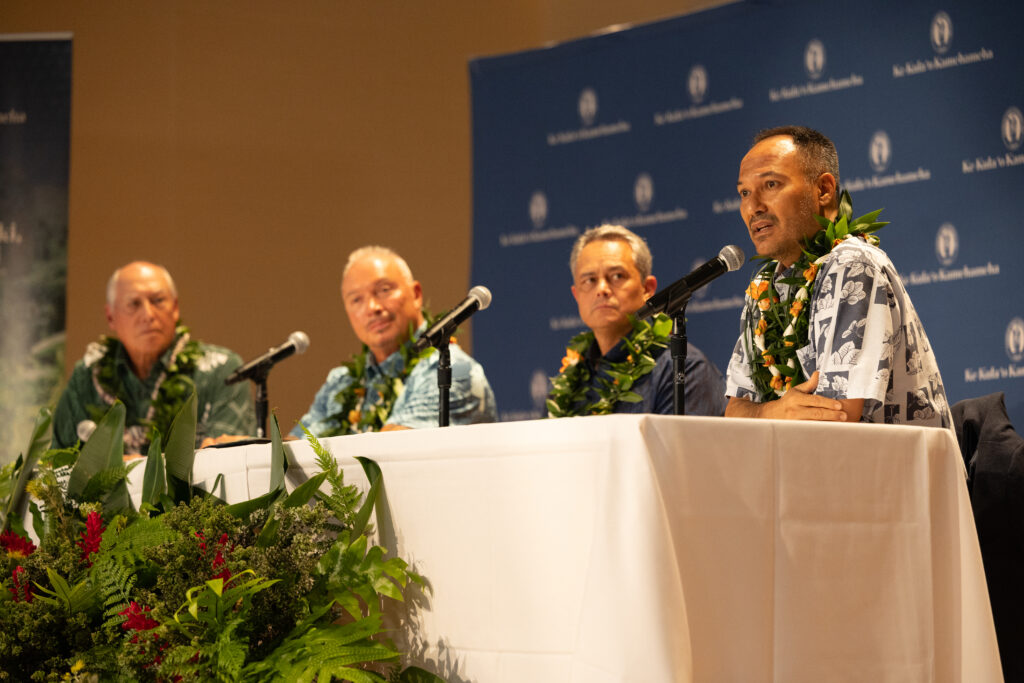
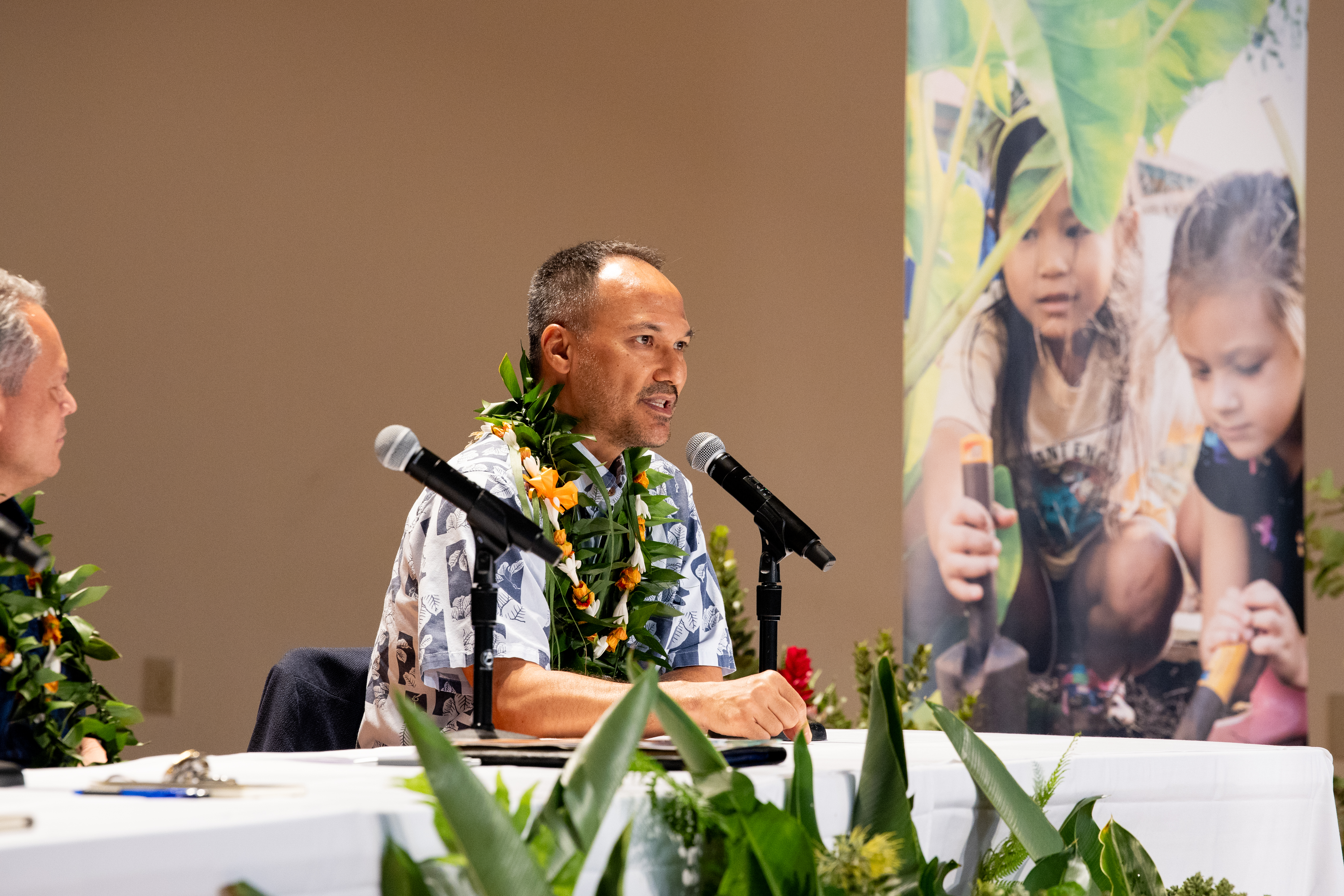
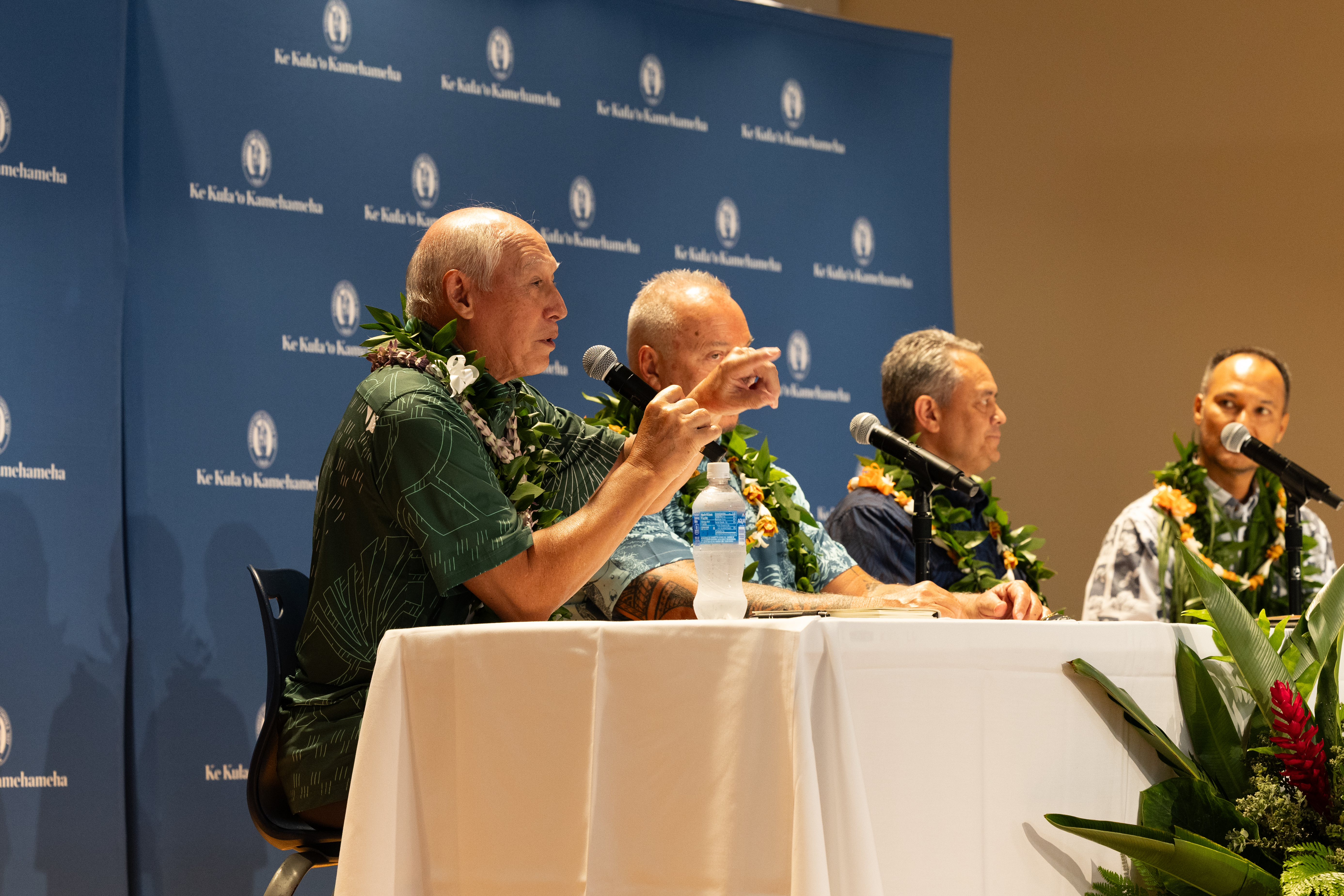
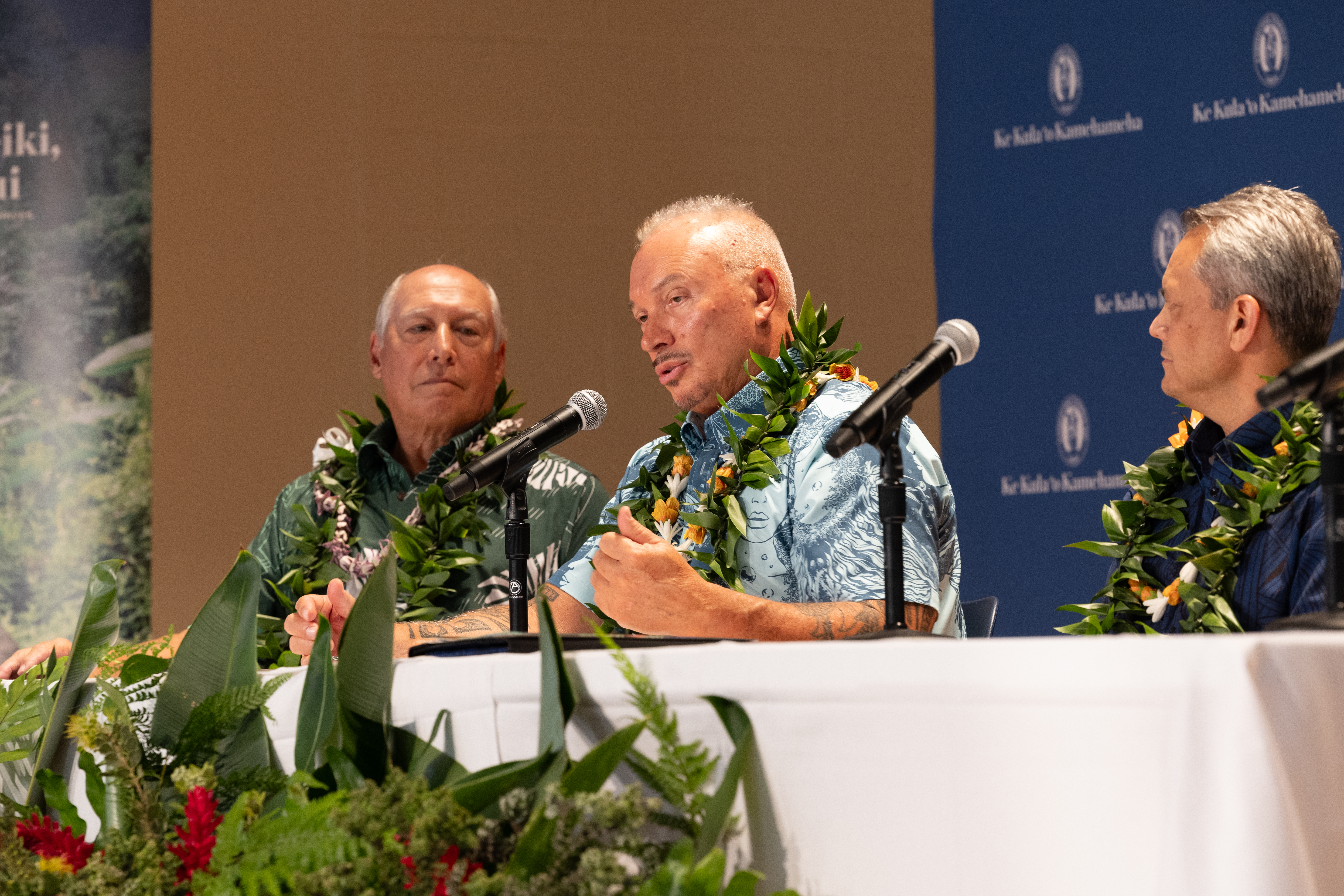
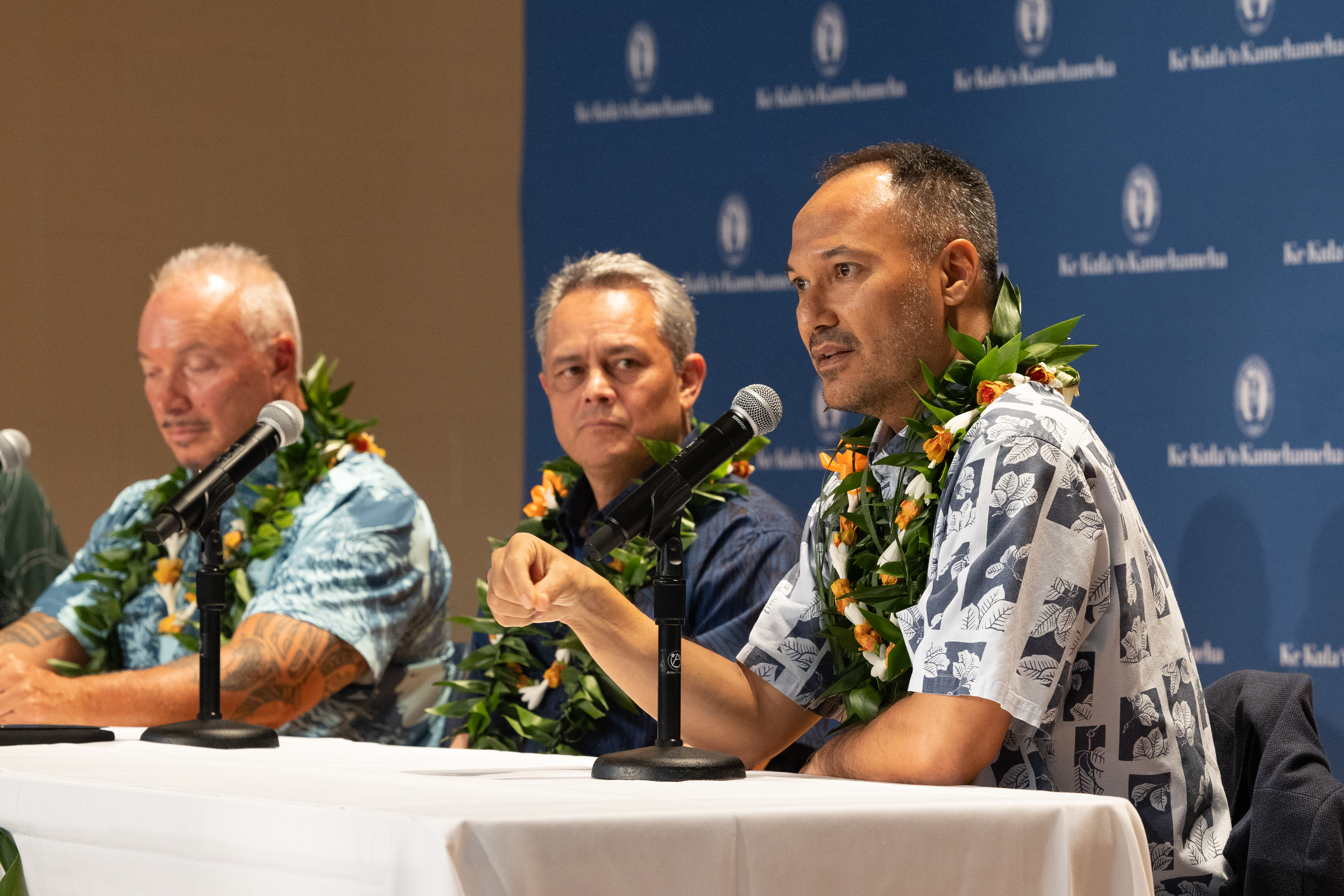
- Convened a publicly accessible candidate forum, allowing participants to hear directly from trustee finalists and better understand their perspectives.
- Developed a structured survey instrument grounded in:
- Kamehameha Schools Strategic Plan 2030
- Kanaeokana’s Palapala ʻŌnaehana Hoʻonaʻauao Hawaiʻi
- Community-informed criteria reflecting ea, ʻōiwi leadership, aloha ʻāina, and connection to community
- Collected both quantitative and qualitative input
- Synthesized responses at the network level, focusing on patterns and themes rather than individual endorsements or isolated opinions.
What Emerged from the Collective Manaʻo
Across responses, Kanaeokana participants expressed a consistent and important understanding of trustee leadership.
Participants rejected the notion that cultural grounding and fiscal, economic, or technical competence are competing or mutually exclusive qualities. Instead, the collective manaʻo affirmed that these dimensions of leadership must be integrated, with cultural grounding and worldview providing the frame through which professional skills and expertise are exercised.
From this perspective, fiscal and technical competence are essential but not value neutral. How those competencies are applied depends on the worldview guiding decision making: how risks are assessed, how tradeoffs are weighed, and how long-term impacts on learners, communities, and ʻāina are understood. At stake is not only institutional performance, but our collective ability to assert control over our own possibilities as a lāhui.
Participants also emphasized continuity. While Strategic Plan 2030 is often described as a five-year framework, many viewed it as part of a longer generational trajectory shaped through multiple plans, leadership cycles, and evolving practice. From this view, the incoming trustee is not entering to redefine direction, but to align with, steward, and advance existing momentum grounded in Pauahi’s intent.
What Kanaeokana Shared and Submitted
Kanaeokana compiled and submitted a collective manaʻo document to the Trustee Screening Committee and the Court that:
- Contextualized participant input within Strategic Plan 2030 and KS’s Theory of Change
- Reflected how Kanaeokana participants understand trustee kuleana in practice
- Lifted up areas of alignment, strength, and concern across key leadership dimensions
- Offered insight to support informed, equitable decision-making
Update 1/26/26: While the original submission reflected the collective manaʻo of all participants who responded in good faith to the call for input, only a portion of that input was ultimately accepted for inclusion in the formal record. Specifically, the disaggregated survey responses and comments from fourteen individuals who consented to attribution were accepted and will be included as an addendum to the final report filed with the Court. The original aggregated submission, which reflected the breadth of collective input, was not included.
As a result, roughly half of the respondents who took the time to engage in this process were excluded from the formal public record, despite responding within the stated timeline and parameters. This outcome was not the result of a lack of willingness to participate, but of structural and procedural constraints that emerged across the trustee selection process as a whole.
These constraints spanned the full lifecycle of the process. Participants were asked to offer manaʻo without being provided sufficient information to support informed participation, and the pathway for collective or community-based input proved difficult to navigate even when individuals were willing to be identified. Taken together, these conditions limited meaningful engagement and reinforced concerns about transparency, accessibility, and accountability throughout the trustee selection process.
Carrying This Work Forward
Kanaeokana remains committed to supporting processes that activate ea, and grow ʻŌiwi leadership, both within Ke Kula ‘o Kamehameha and across the broader movement for a thriving, self-determined lāhui. This work is part of an ongoing commitment of our participants, our learners, and the communities we serve.
Rooted in kuana ʻike Hawaiʻi, ea, kuleana, and community voice, including an understanding of fiscal and fiduciary responsibility, this document reflects how our network engaged, what emerged, and what it means for leadership at a critical moment. While the full collective submission was rejected by Inkinen, they allowed disaggregated manaʻo from consenting participants to be included in the formal record through an addendum. Read the full submission


“When we operate world-class schools, grow ‘Ōiwi leaders through E Ola!, and regenerate ‘āina, we will, together with our communities, exercise the ea necessary for a thriving and self-determined lāhui.”
